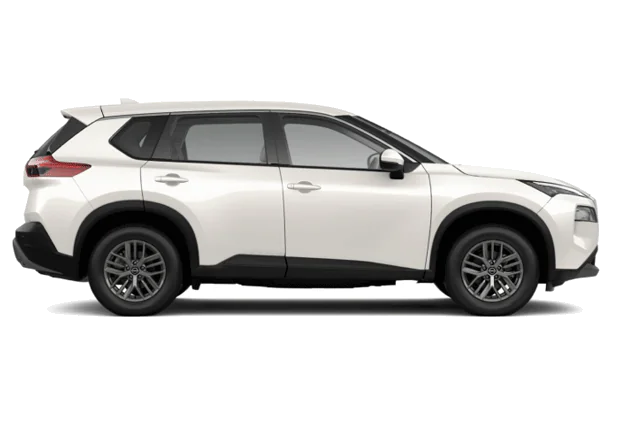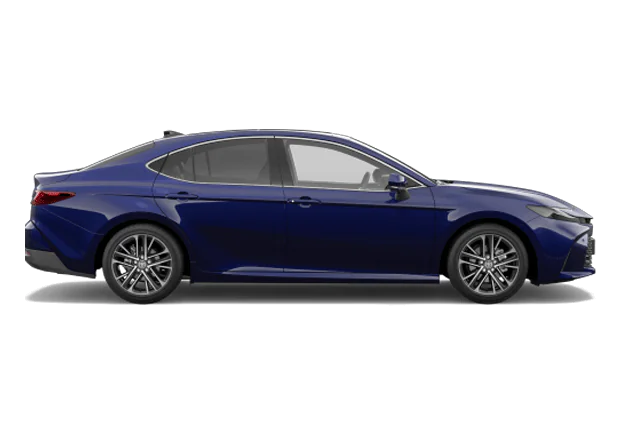
There’s a lot to think about when choosing to rent a hybrid or petrol car, especially if you want to save money.
We’re often asked if renting a hybrid can be a hassle to charge and not worth the cost. However, you may be surprised by how convenient they can be to charge and drive across the country. You can also make some serious fuel savings, all without changing how you drive!
In this article, we’ll look at both hybrid and petrol cars. We’ll compare their fuel economy and overall driving experience, so you can decide which is best for you.
Different types of Hybrids
There are two main types of hybrid cars currently available to rent: mild hybrid cars and plug-in hybrid cars. Each type offers a different driving experience and fuel usage, so it’s best to check with your rental provider to see which type you’ll receive.
Mild Hybrid (No Plug-in)

No plug-in
A non-plug-in hybrid car creates electricity automatically through braking, accelerating, and idling. They have smaller batteries than plug-in hybrid cars, and don’t need to be plugged into an external power source or charging station to charge.
Regenerative braking
Regenerative braking uses electrical resistance to slow your car down. When you remove your foot from the accelerator, the resistance of the car’s motor increases. This creates electrical energy that is stored in the car battery.
Boosted by electricity
For situations where high speed is required (such as on highways), your hybrid car will use fuel. When driving at low speeds (such as short distances across suburbs), your car will automatically switch to its electric motor.
Save on fuel
A non-plug-in hybrid car saves on fuel costs for short, low-speed trips. As your car automatically switches to electric power for such trips, your fuel reserves are kept untouched.
Plug-in Hybrid
Half and half
In a plug-in hybrid, driving capacity is divided between its electric battery and combustion engine, so you get the best of both worlds.
Battery used first
By default, plug-in hybrid cars prioritise battery use for driving. As their name suggests, plug-in hybrids can be plugged into a charging station or wall socket while not in use, leaving fuel untouched.
Petrol backup
For situations where high speed is required (such as on highways), your hybrid car will use fuel. When driving at low speeds (such as short distances across suburbs), your car will automatically switch to its electric motor.

Save on fuel
Plug-in hybrid cars can travel up to 100km on a single charge regardless of speed, offering significant cost savings. With planned recharges for longer trips, you may not even need to use any of the fuel in your plug-in hybrid vehicle.
Main things to consider when comparing hybrid vs petrol car hires
Before choosing between a hybrid and petrol car to rent, there are a couple of key points you should consider:
- Fuel economy and savings: How much fuel you’re likely to use during your rental period.
- Driving conditions: Whether you’re renting to drive in the city, along the coast, or into the outback.
- General driving experience: The benefits of both hybrid and petrol-only cars.
Hybrid vs Petrol Savings
In basic terms, fuel economy and efficiency refer to how much petrol is required to travel a particular distance, often measured per 100km. The less fuel a car uses per 100km, the more efficient it is and the greater the potential savings.
You can see this in our table below, where we compare the Toyota Camry Mild Hybrid 2025 Model (a non-plug-in vehicle) to the Toyota Camry Petrol 2023 Model for a Sydney to Brisbane road trip.
| Toyota Camry Mild Hybrid | Toyota Camry Petrol | |
| Engine | 2.5L | 2.5L |
| Fuel Economy | 3.9L/100km | 6L/100km |
| Sydney to Brisbane distance | 917 km | 917 km |
| Litres required | 35.763 | 55.02 |
| Average fuel cost per litre in Australia | $1.80 | $1.80 |
| Estimated price for the trip | $64.37 | $99.04 |
| Hybrid fuel savings | $34.67 |
*Please note that this calculation is an estimate only. The exact fuel economy and engine size of your rental may be different. The fuel savings may differ between plug-in and non-plug-in hybrids and are dependent on driving conditions and fuel costs.
National fuel average 2025 report (ACCC).
Price calculation: road trip km / 100 x L x fuel cost per litre.
917 / 100 = 9.17 x 3.9 = 35.763 x $1.80 = $64.37.
You can use this calculation for any trip to estimate the fuel savings between renting a hybrid vs a standard petrol car.
Checklist for estimating your fuel savings in a hybrid rental
- To determine your potential savings for a trip in your hybrid rental car, there are a few points to consider:
- Total trip distance
- Expected fuel consumption
- Local fuel prices
- Driving conditions (city driving vs highway driving)
- Renting a hybrid car may cost more, so it’s worth examining your use case to see if your fuel savings will offset the extra hiring cost.
Are hybrid car rentals suitable for city, coastal or outback driving?
Understandably, there may be some anxiety around choosing a hybrid car for some types of trips. Thankfully, both can excel in various scenarios.
Plug-in hybrid cars can be a great option if you have access to a charging station every 100km. Once you’re charged, you’ll get the full benefits of running an EV car-lower emissions, and a backup fuel engine just in case.
Non-plug-in hybrid cars recharge through use, and switch to fuel automatically at higher speeds. Whether you’re driving around the city, going up and down the coast, or heading into the outback, you won’t have to worry about a lack of charging stations. Their self-powering nature means you’ll also have excellent fuel economy for long trips.
EV charging network in Australia
Australia has two types of electric vehicle chargers: destination chargers and fast chargers.
- Destination chargers: Found at hotels, restaurants, and other places where you may stay overnight. These take several hours to fully charge an EV battery.
- Fast chargers: Found on highway corridors, petrol stations, and urban areas. Capable of fully charging an EV battery in 10-30 minutes, and vital for long trips.
While charging stations may be sparse in remote outback areas compared to cities, they’re still available in some places. You can see locations of EV chargers on both crowd-sourced and official government maps. More charging stations are being added across the country, with some maps showing upcoming EV charger sites.
Road Trip Comparison: Plug-in vs Non-Plug-In vs Petrol
| Use case/road trip | Plug-in hybrid | Non-plug-in hybrid | Petrol |
| City driving | Convenient when charging at work or home, with little fuel use and charging anxiety. | No charging needed, with low fuel usage. Can charge itself while idle in traffic. | Easy to use and refuel, but uses fuel constantly, even in idle traffic. |
| Coastal road trips | Moderate fuel use if battery runs out, but otherwise very flexible with low range anxiety. | Convenient for cruising, with no range anxiety and little fuel used. | Higher fuel use, but no range anxiety and easy to refuel if needed. |
| Outback and remote areas | May work okay as a petrol car, but charging availability may cause issues. | Still requires fuel use, but better general fuel economy than petrol-only cars. | High fuel costs, but convenient and easier to refuel in remote areas. |
| Business trips | Excellent choice and low fuel usage if charging can be planned. | Low fuel use and charging anxiety, functions similar to typical trips. | Easy to use and refuel, but higher fuel costs overall. |
| Family travel | Great for school runs, shopping, and other short trips, though regular charging should be planned to achieve efficiency gains. | Practical with consistent fuel efficiency, with no range anxiety. | Easy to use and requires little pre-planning, though fuel may be expensive over time. |
| Camping | Camping is possible , but you may need to use fuel if your camping site has no charging stations. | Suitable for driving anywhere, and useful at camping sites with no range anxiety. | Very reliable at camping sites, though fuel consumption will still be higher. |
| Long distance | Similar fuel economy to petrol-only cars if not charged. May require a bit of extra planning if you wish to use electric power | Efficient over long ranges, with little to no range anxiety. Can have better fuel economy than petrol cars over a distance. | Easy to refuel and simple to use, but higher petrol costs over time and distance. |
| Lowest hassle overall | Requires charging station access to reap the most benefits. | Lowest overall hassle. Balances fuel economy with ease of use and efficiency. | Easy to use, but costly to run and refuel. |
Overall, a non-plug-in hybrid car is a great all-rounder for any type of trp. Using a plug-in, meanwhile, may require a bit of extra planning to ensure you have charging station access throughout the trip. While the petrol back-up of a plug-in hybrid is convenient, the overall fuel costs will be greater than a non-plug-in hybrid.
Driving Experience: Petrol vs Hybrid
Benefits of Hybrids:
- Superior fuel economy: Hybrid cars don’t need to use petrol all the time, reducing fuel consumption for typical drivers.
- Environmentally-friendly: Lower fuel use means fewer emissions, which is better for the environment.
- No range anxiety: Plug-in hybrid cars have petrol as a backup, and non-plug-in hybrid cars charge automatically.
Limitations of Hybrids:
- Charging station availability: Plug-in hybrid cars require charging stations to use their electric motors and reap their emissions benefits, as solely relying on their combustion engine offers similar fuel economy to petrol-only cars. This may mean more planning for long trips to make sure charging stations are accessible when you need them.
- Reduced inside space: Hybrid cars require a battery which can be situated under the rear seats or in the car’s boot, giving you less luggage and personal space than a petrol car.
- More complex maintenance: As they use both electric power and petrol, maintenance for a hybrid car tends to be more complex and costly than a petrol-only vehicle.
What do previous hybrid renters have to say?
Hybrid vs Petrol Decision
The choice between hybrid and petrol car rentals is an easy one to make, once you know how you plan on using your vehicle. While petrol vehicles are familiar and petrol stations are plentiful, hybrid cars can offer better fuel economy to make up for the sometimes higher rental charge, especially for frequent use and long trips.
With just a bit of planning, both plug-in and non-plug-in hybrid cars can be driven all across Australia. You won’t have to worry about running out of charge and being stuck in one place, and you can help the environment out at the same time.
If you’re looking to hire a car today for a quick jaunt around the city or your next big trip, contact Redspot.
Meet our Hybrid Fleet.
Rent a little, rent a lot. You can rely on Redspot!
At Redspot, our Hybrid fleet is well-maintained and fuelled ready for your trip.
All Redspot vehicles come with 24/7 Standard Roadside Assistance. For even more peace of mind, consider our Premium Roadside Assistance, with fuel delivery, accommodation reimbursement and more to keep you rolling.
FAQs
Do the fuel savings in a hybrid offset the rental costs of a hybrid?
The fuel savings of a hybrid car may offset the higher rental costs, especially with constant use and travel over long distances.
Is it easy to fuel a hybrid car anywhere?
Yes, it is. Both plug-in and non-plug-in hybrid vehicles can be refuelled the same way as traditional petrol cars can, and have the benefit of using electricity as an additional power source. Plug-ins can be recharged at charging stations, while non-plug-ins recharge their batteries with use.
Is a hybrid car the best of both worlds?
Yes, they can be. Hybrid cars mix the convenience and accessibility of petrol cars with the lower fuel costs and flexibility of electric motors.
Is a hybrid rental suitable for longer road trips?
Yes, a hybrid rental car is an excellent choice for long road trips. Non-plug-in hybrids can charge themselves as you go and use minimal fuel, while plug-in hybrids can rely on their electric motor alone, provided you have access to a charging station. Plug-ins always have their traditional internal combustion engine as a backup, should you not have access to a charging station.
What happens if I run out of fuel in a hybrid?
If you run out of fuel in a hybrid car, what happens next can vary depending on the exact make and model of your car. In general, however, your car will switch to electrical-only mode. It will then allow you to drive a short distance before powering down, so you can safely pull over and call for assistance if needed.
What happens if the battery runs out in a hybrid?
If the battery runs out in your hybrid car, it will switch to petrol-only mode. During this time, your car’s horsepower will be reduced, and your fuel economy will become on par with petrol-only cars.
Is a plug-in hybrid better than a non-plug-in hybrid?
A plug-in hybrid can be better than a non-plug-in hybrid if you are using it for short trips and have access to charging stations. This is because you can solely rely on the electrical motor without needing to engage the backup petrol engine. If you’re planning on long trips and aren’t sure whether you’ll have charging station access, then a non-plug-in hybrid is going to be a better option for you.
Is petrol still better for some trips?
Petrol cars may be better for some people if you need to drive long distances quickly. They also tend to perform better when towing trailers, caravans, or other vehicle types.