Surrounded by ancient rainforest, rugged mountains and some of Tasmania’s most spectacular wilderness, Lake St Clair is the kind of destination that deserves more than a quick roadside stop.
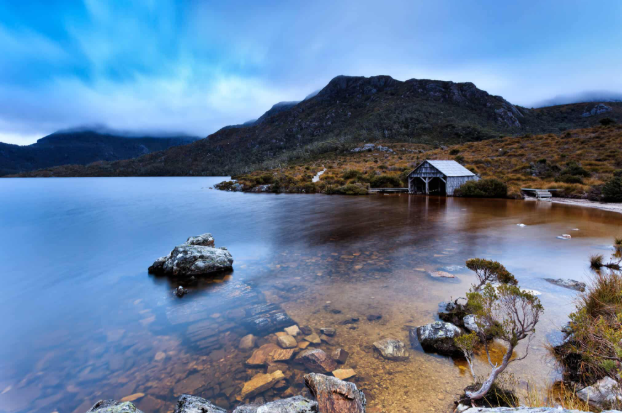
Located at the southern end of Cradle Mountain–Lake St Clair National Park, Lake St Clair is part of the Tasmanian Wilderness World Heritage Area and is Australia’s deepest freshwater lake, reaching a maximum depth of 167 metres. The enormous lake was carved by glaciers over millions of years, leaving behind the dramatic landscape visitors see today.
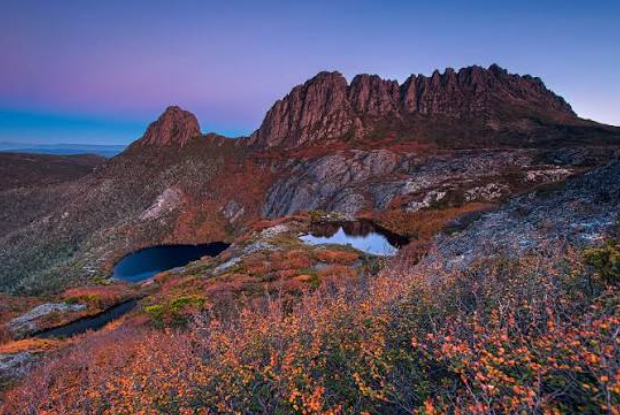
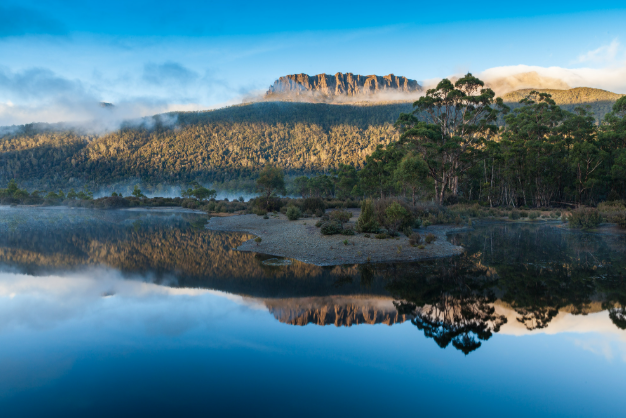
Known as leeawuleena, meaning “sleeping water”, Lake St Clair can be beautifully calm on still days, reflecting the surrounding mountains and forest across its surface.
And at only around 2½ hours’ drive from Hobart, it’s an excellent destination to include on a Tasmania road trip.
Where is Lake St Clair?
Lake St Clair sits in Tasmania’s Central Highlands near Derwent Bridge, at the southern end of Cradle Mountain–Lake St Clair National Park.
From Hobart, follow the Lyell Highway (A10) west towards Derwent Bridge. Once you reach Derwent Bridge, turn onto Lake St Clair Road (C193) and follow it for approximately 5.5 kilometres to the visitor centre at Cynthia Bay.
The drive takes around 2½ hours from Hobart, with a similar travel time possible from Launceston depending on your route.
It’s an easy drive to incorporate into a longer journey towards Tasmania’s west coast, particularly if you’re travelling onwards to Queenstown or Strahan.
Driving from Hobart to Lake St Clair
The drive from Hobart is part of the experience.
Leaving the city, you’ll gradually move from the Derwent Valley into Tasmania’s Central Highlands, passing through small towns, farmland, forests and increasingly remote wilderness.
The Lyell Highway is sealed, so there’s no need for a 4WD for a normal visit to Lake St Clair.
However, this is Tasmania’s high country, and conditions can change quickly. Both the Lyell Highway and the access road from Derwent Bridge can occasionally be affected or closed by snow during winter.
Allow yourself plenty of time and don’t treat the estimated driving time as a target. There are enough interesting stops along the route that it’s worth slowing down and enjoying the journey.
Start at Cynthia Bay
For most visitors, Cynthia Bay is the starting point for exploring Lake St Clair.
The Lake St Clair Visitor Centre is located here, along with parking, toilets, picnic facilities and access to the lake and several walking tracks. The visitor centre also provides information about the area’s geology, Aboriginal heritage, wildlife and current walking conditions.
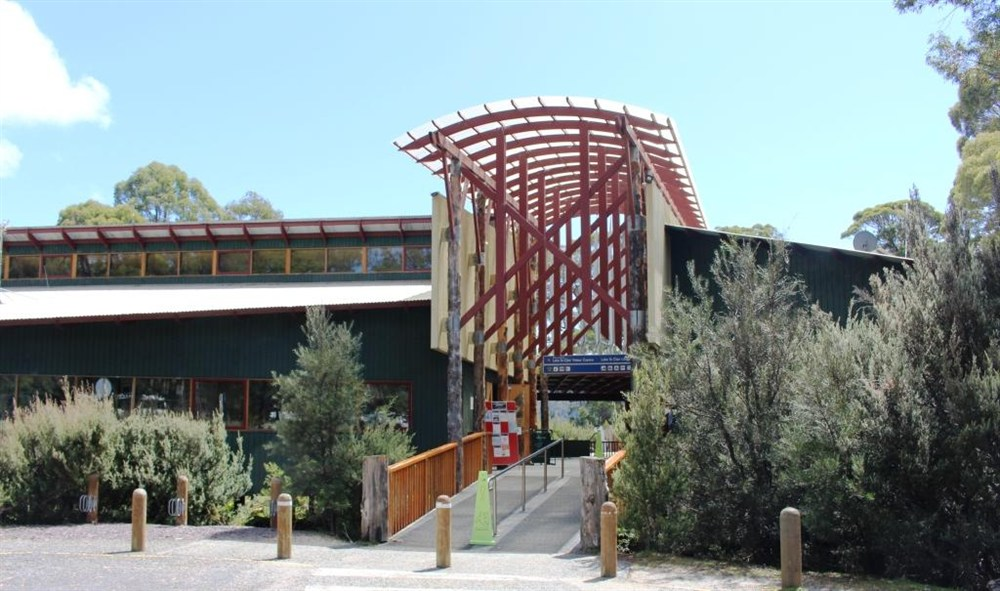
Before heading off on a walk, take a few minutes to wander down to the lake itself.
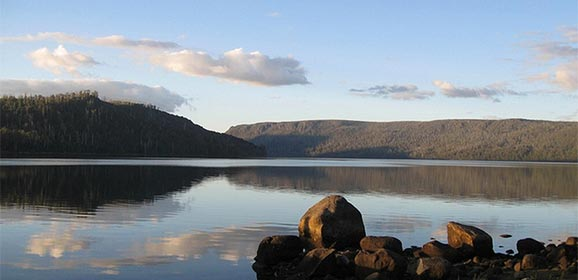
On a calm morning, Lake St Clair can look almost perfectly still, with mountains and forest reflected across the water.
It’s one of those places where simply standing on the shoreline with a coffee can be every bit as enjoyable as ticking off another attraction.
Walk the Lake St Clair short walks
You don’t need to be an experienced bushwalker to explore Lake St Clair.
Three shorter walks begin around Cynthia Bay and can either be completed individually or combined into a 4.7-kilometre circuit taking roughly 45 minutes to 1½ hours.
The Watersmeet Walk follows the forest to the point where the Cuvier and Hugel rivers meet. It’s a Grade 2 walk and provides an easy introduction to the rainforest surrounding Lake St Clair.
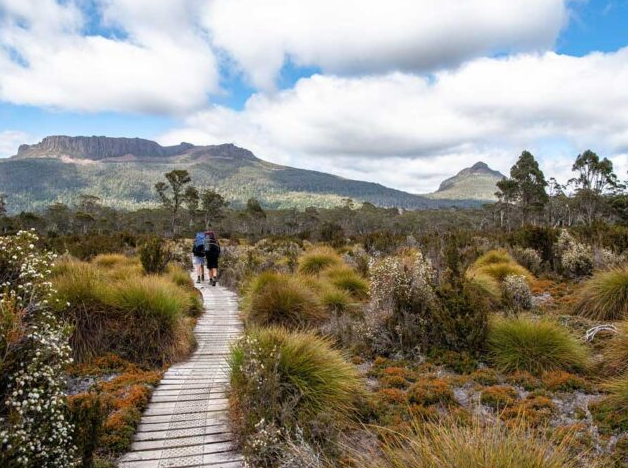
Continue farther and you can complete the Platypus Bay section, where — with a bit of luck and patience — you might spot one of Tasmania’s most unusual native animals.
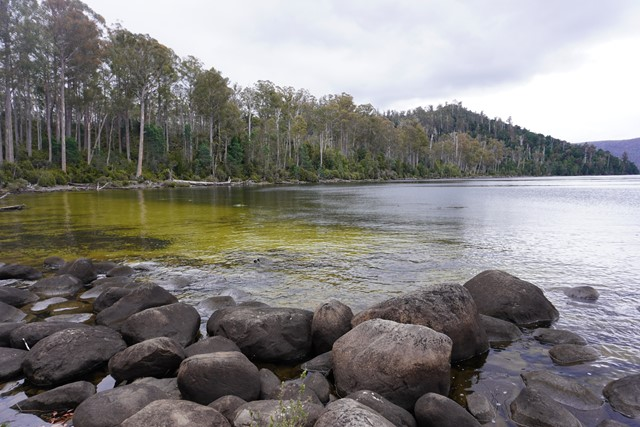
There’s also the Larmairremener tabelti Aboriginal cultural walk, which provides insight into the Aboriginal people who have lived around leeawuleena for thousands of years.
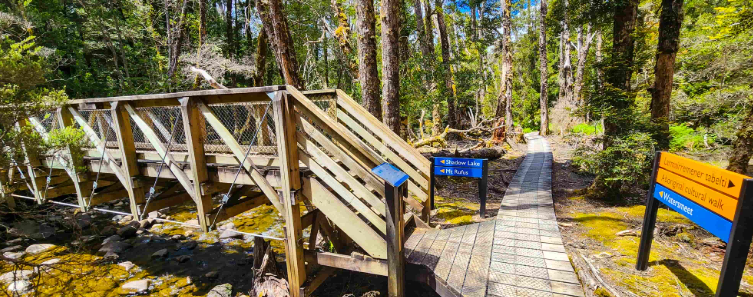
Together, these walks make a great option if you’ve driven from Hobart and want to stretch your legs without committing to a major hike.
Take on the Shadow Lake walk
If you’ve got more time and you’re looking for something more challenging, consider Shadow Lake.
The 13-kilometre circuit takes around four to five hours and is classified as a Grade 4 walk. It climbs from the wet forest around Lake St Clair through eucalypt woodland and sub-alpine landscapes before reaching Shadow Lake beneath the surrounding mountains.
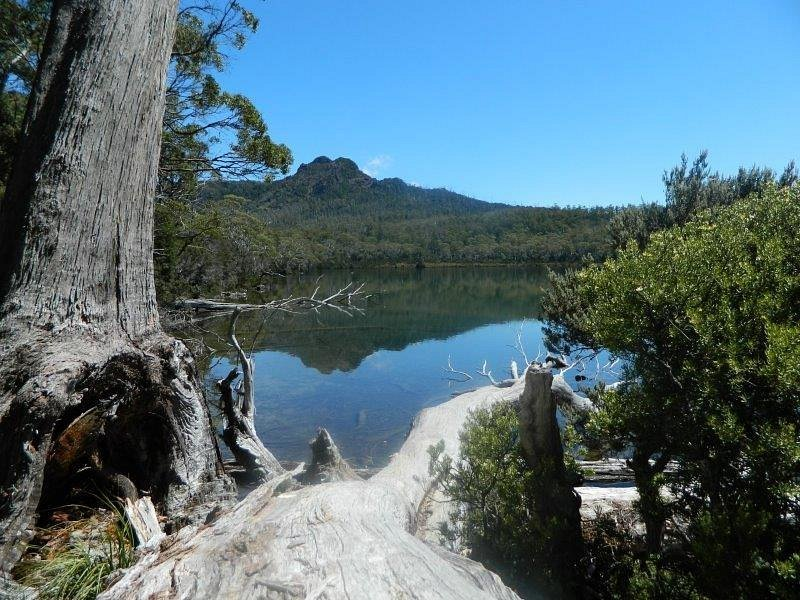
This is a proper bushwalk rather than a casual stroll, so you’ll need suitable clothing, footwear, food and water.
Tasmania’s alpine weather can change extremely quickly, with rain, wind, snow and sunshine all possible even within the same day.
If you’re unsure about conditions, check with staff at the visitor centre before heading off.
Cruise across Lake St Clair
Walking isn’t the only way to experience the lake.
A passenger ferry normally operates from Cynthia Bay across Lake St Clair towards Narcissus Bay, near the northern end of the lake. Ferry schedules and availability vary, so bookings and current operating information should be checked before travelling.
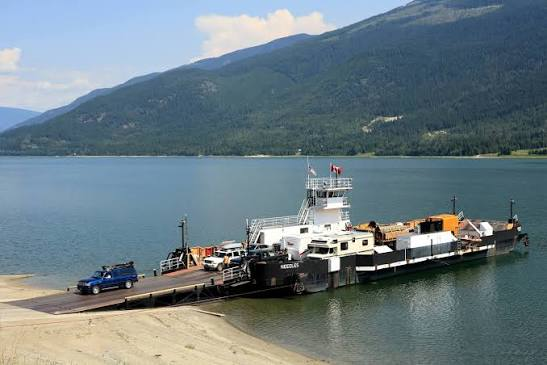
The trip provides a completely different perspective of the surrounding mountains and wilderness.
One popular option is to travel by ferry and then walk back towards Cynthia Bay.
The Echo Point walk, for example, follows approximately 11 kilometres of lakeside rainforest and takes around three to four hours one way.
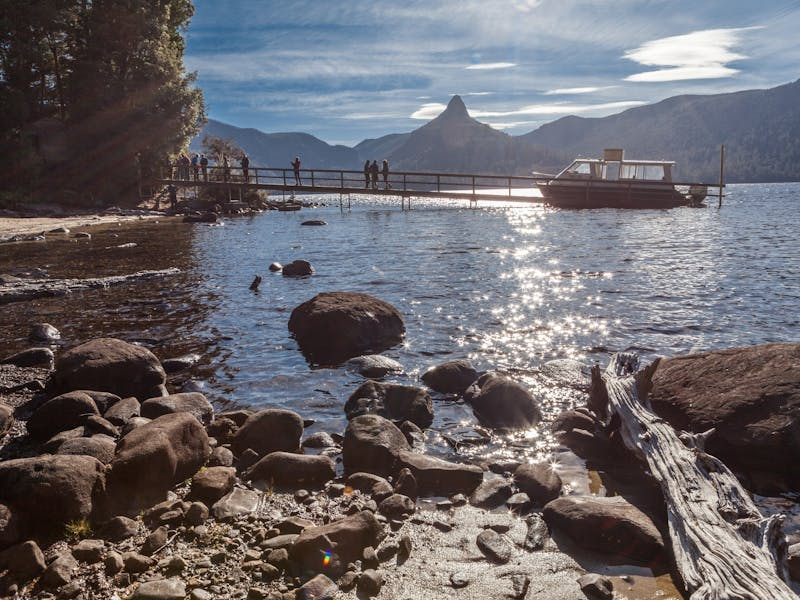
It’s a fantastic option if you want something more adventurous than the shorter Cynthia Bay walks without taking on a full-day mountain hike.
The finishing point of the Overland Track
If you notice a few tired-looking hikers wandering into Cynthia Bay carrying enormous backpacks, there’s a good reason.
Lake St Clair marks the southern end of Tasmania’s legendary Overland Track.
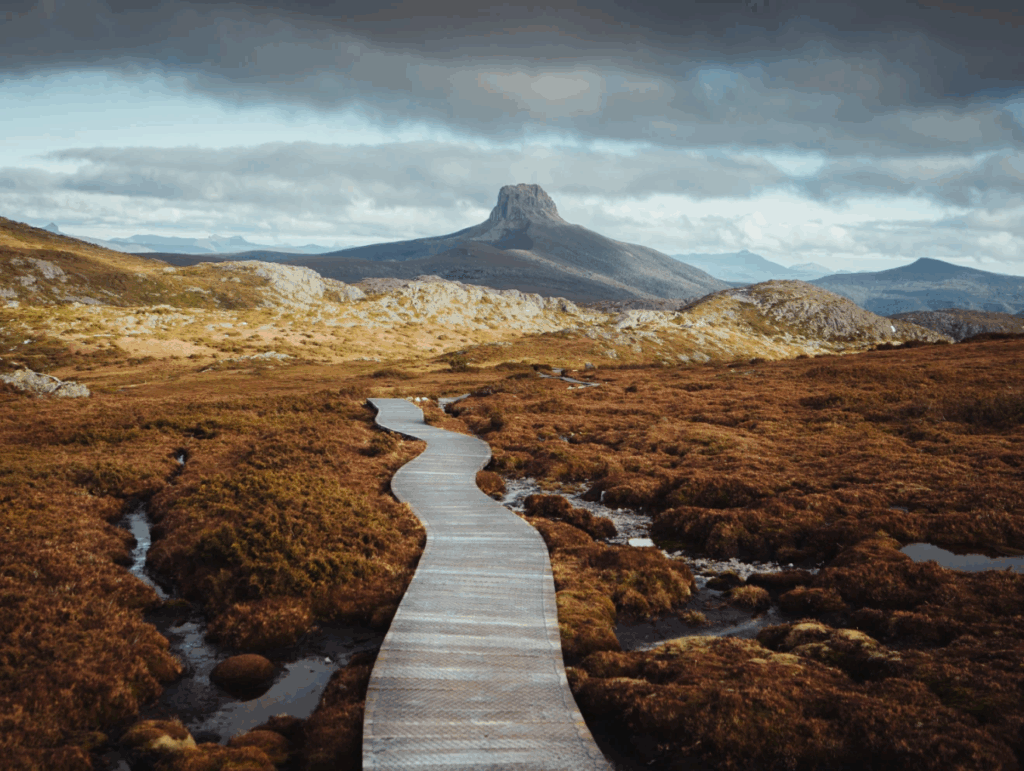
The approximately 65-kilometre, six-day walk crosses the wilderness between Cradle Mountain and Lake St Clair, travelling through alpine plateaus, rainforest, mountains and glacial landscapes.
Many walkers finish near Narcissus before travelling across Lake St Clair to Cynthia Bay.
You certainly don’t need to walk the Overland Track yourself to appreciate the landscape, but seeing hikers finish their journey provides some perspective on just how large and wild the national park really is.
Look out for wildlife
Lake St Clair is also a great place to keep an eye out for Tasmanian wildlife.
Bennett’s wallabies and pademelons are commonly seen around the lake, while wombats, echidnas, quolls and platypus also live within the surrounding national park.
You’re particularly likely to see animals during quieter periods around early morning and late afternoon.
That also means taking extra care behind the wheel.
Tasmania Parks and Wildlife Service recommends avoiding driving through reserves at night where possible and slowing down because native wildlife regularly crosses roads.
If you’re staying overnight nearby, give yourself enough daylight to finish your drive safely.
Visit nearby Derwent Bridge
Just a few kilometres from Lake St Clair is the tiny highland town of Derwent Bridge.
It’s a useful place to stop for food, fuel or accommodation before or after exploring the national park.
Derwent Bridge also makes a good base if you want to spend more than one day around Lake St Clair without rushing back towards Hobart.
From here, you’re perfectly positioned to continue west along the Lyell Highway towards Franklin-Gordon Wild Rivers National Park, Queenstown and Strahan.
Continue towards Nelson Falls
If Lake St Clair is part of a west coast road trip, one of the best next stops is Nelson Falls.
Continue west along the Lyell Highway from Derwent Bridge and you’ll eventually enter Franklin-Gordon Wild Rivers National Park.
Nelson Falls is reached by a short rainforest walk from the highway and provides an excellent contrast to the open alpine scenery around Lake St Clair.
Combining Lake St Clair and Nelson Falls in the same journey gives you two completely different examples of Tasmania’s World Heritage wilderness in a single day.
From there you can continue through to Queenstown and eventually Strahan.
Can you drive from Lake St Clair to Cradle Mountain through the national park?
This catches a few visitors out.
Despite being called Cradle Mountain–Lake St Clair National Park, there is no road running directly through the park between Lake St Clair and Cradle Mountain.
Cradle Mountain sits at the northern end of the enormous national park, while Lake St Clair is at the southern end.
If you want to visit both by car, you’ll need to drive around the national park using the surrounding highway network.
It’s worth planning this into your itinerary rather than assuming you can simply drive north from Lake St Clair to Cradle Mountain.
Do you need a 4WD?
No.
For a normal visit to Lake St Clair, a regular passenger car or SUV is perfectly suitable. Access is via the sealed Lyell Highway and Lake St Clair Road.
In winter, however, snow and ice can affect roads around the Central Highlands, so always check current conditions before setting out.
As with any rental car, stay on permitted roads and follow the conditions of your rental agreement.
You’ll need a Tasmania Parks Pass
Lake St Clair is inside a Tasmanian national park, so a valid Tasmania Parks Pass is required.
If you’re travelling around Tasmania and also plan to visit places such as Freycinet, Mount Field or Cradle Mountain, it may be worth purchasing a multi-park option rather than separate entry each time.
Check current Parks and Wildlife Service pricing and conditions before travelling.
What should you bring?
Even if you’re only planning a short walk around Cynthia Bay, come prepared for changing conditions.
Bring comfortable enclosed shoes, drinking water, sunscreen and a warm waterproof jacket.
For longer walks, you’ll need considerably more preparation. Tasmania Parks and Wildlife Service recommends proper waterproof outer layers, sturdy walking boots and warm clothing for alpine walks because conditions can change rapidly at any time of year.
During winter, snow is possible around the surrounding mountains and occasionally on the roads.
It’s Tasmania — carrying another jacket in the boot is rarely a bad idea.
When is the best time to visit Lake St Clair?
There’s really no bad season to visit.
Summer provides longer daylight hours and generally gives you more time for walking and exploring.
Autumn can bring beautiful colour to parts of Tasmania’s high country.
Winter transforms the surrounding mountains, with snow creating some spectacular scenery, although you’ll need to keep a closer eye on road and walking conditions.
During late spring and summer, wildflowers including waratahs, orchids and banksias can be seen around the Lake St Clair area.
If you can, arrive early in the morning. Calm conditions can turn the lake into a giant mirror and you’ll often have the shoreline almost to yourself.
Make Lake St Clair part of a Tasmania road trip
Lake St Clair sits in a brilliant position for a longer Tasmania driving holiday.
From Hobart, you could travel through the Derwent Valley and spend your first night around Lake St Clair or Derwent Bridge.
The following day, continue along the Lyell Highway, stopping at Nelson Falls before exploring Queenstown and staying around Strahan.
Alternatively, travel back through Tasmania’s Central Highlands towards Launceston.
It is exactly the kind of destination that makes having your own rental car worthwhile — you can stop when the scenery demands it, change plans when the weather changes and explore areas that are difficult to experience properly on a fixed schedule.
Discover Lake St Clair with a Tasmania rental car
Lake St Clair is much more than another beautiful lake.
It’s an enormous glacial landscape surrounded by rainforest and mountains, a place with thousands of years of Aboriginal history and the finishing point of one of Australia’s most famous wilderness walks.
Whether you spend an hour wandering around Cynthia Bay, tackle a longer bushwalk or stay overnight and explore the surrounding Central Highlands, it’s a destination that’s worth building into your Tasmania itinerary.
And because it sits directly along one of the main routes connecting Hobart with Tasmania’s wild west, there’s every reason to make the stop.
Pick up your Redspot rental car, follow the Lyell Highway into Tasmania’s Central Highlands and discover the incredible wilderness of Lake St Clair.